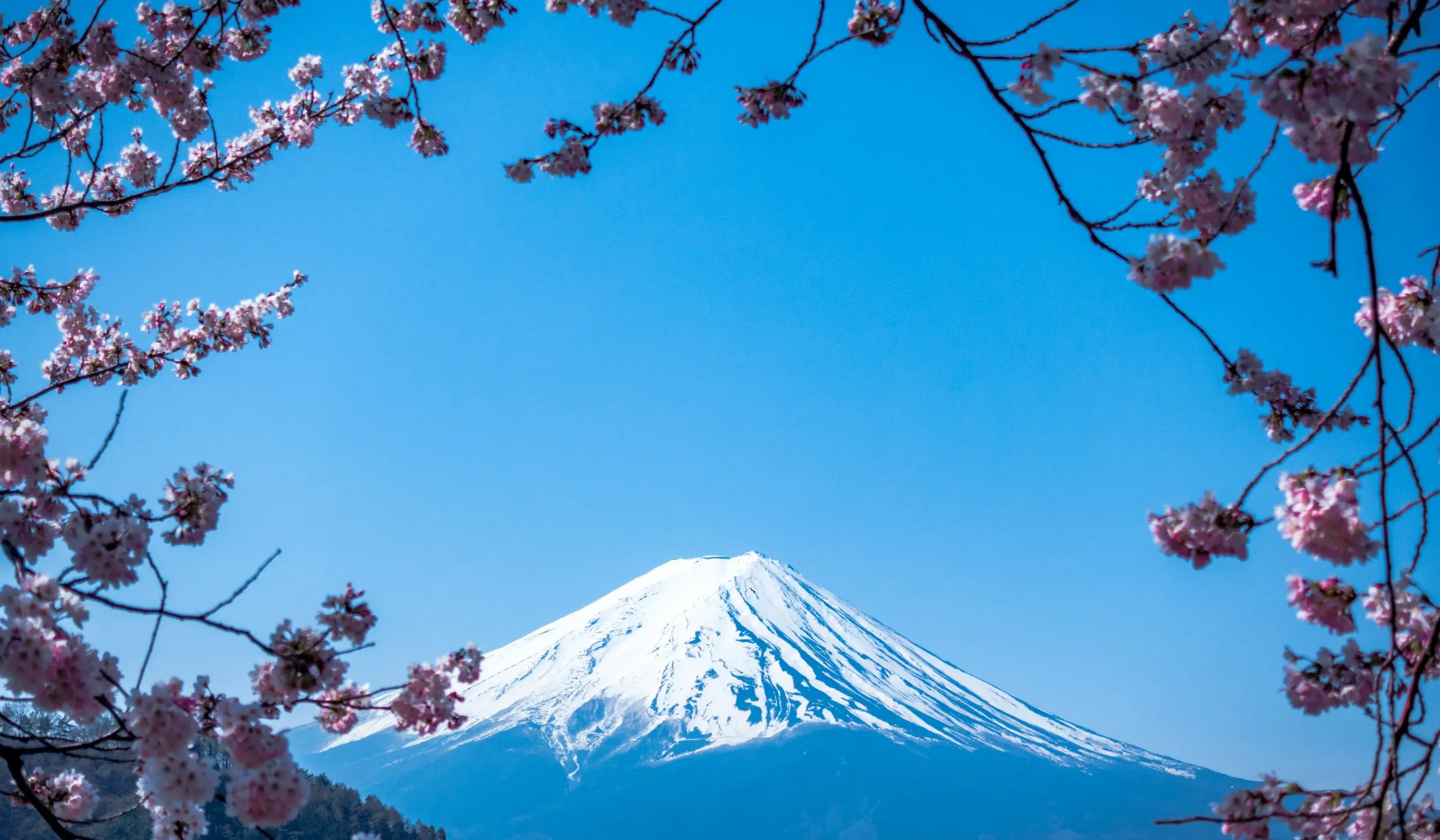
Okayama sits on the Seto Inland Sea with a reputation in Japanese domestic tourism for sunshine, fruit and a slower rail stop between Osaka and Hiroshima. Bizen ware is the craft name that often travels. Sake breweries exist; they are not a Melbourne bar list.
"Quality Okayama" was campaign language. This page keeps the campaign slug and turns it into literacy. If a stall appears at a market, the stall's host is the source. See also the travel hub and JNTO's Chugoku or Setouchi pages.
Why this heritage URL still exists
The path appeared on the pre-rebuild site as a real HTML document, not as a parked placeholder. Keeping the address avoids breaking inbound links from blogs, campus pages and older social posts. The body you are reading is new. We did not copy archive sentences, republish interviews, or revive a poster from a year that is no longer current. If you came here looking for a 2014 recap, you will not find it, and that is the point of a rebuild that takes searchers seriously.
Melbourne, then Japan — or the other way around
If the topic is food or culture in this city, start with a neighbourhood walk and a primary program page. If the topic is a prefecture, start with JNTO and the prefecture's official tourism site, then decide whether the trip from Melbourne is a visa-and-season problem you have actually read. Smartraveller's Japan page is the Australian government advice channel; the Consulate-General of Japan in Melbourne is the consular channel. Okayama, quality as a prefecture story is a briefing that sits beside those pages. It is not a booking engine and it is not a substitute for them.
Season changes the meaning of almost every Japan topic. Winter rewrites Nagano and Hokkaido. Summer rewrites festival crowds and humidity. Rainy weeks rewrite outdoor craft markets in Melbourne too. A guide that pretends otherwise is selling a photograph. We would rather send you to a meteorological or tourism office page than invent a perfect weekend.
How to read official language
Government and foundation pages use cautious verbs: "may", "check", "subject to change". Copy those verbs. When a university handbook describes a Japanese studies major, it is describing a program structure, not guaranteeing your enrolment. When The Japan Foundation, Sydney describes J-Course or the Japanese Film Festival Australia, it is describing a program it actually presents — see jffau.jpf.go.jp/about and sydney.jpf.go.jp. When Aichi Prefecture lists Victoria as a sister state from 2 May 1980, that is a dated diplomatic fact, not a festival ticket (Aichi partners; Embassy sister-city page).
Guest-post neighbours
This URL sits in the travel inventory on /blog/. A neighbour essay should add a cited angle we do not already cover — a producer page, a handbook, a museum program — rather than a list of adjectives. Food, travel and culture are the three doors. Gambling, furniture and insurance leftovers from the parked years are not. Pitch via /contact/ with the URLs already in your notes.
Money, access and the things blogs invent
We will not quote a yen-to-dollar rate, a JR Pass price, a tasting ticket or a grocery special. Those numbers move. Access information (stairs, seating, English menus, prayer-room provision, allergen handling) belongs with the operator. If you need that information and cannot find it, write to the operator, not to a comments thread.
Limits we will not cross
We will not turn this page into a live directory. We will not add a quote we cannot attribute to a public institutional page. We will not guess attendance. We will not name a restaurant as currently operating. Those limits are the difference between a Capes-tier guide and a parked domain with leftover CMS fields. They are also why the footer disclaimer repeats on every route, including this one.
If this page is thinner than you wanted on a very local detail, that is a feature: local detail without a source becomes fiction. Send the source and we can thicken the next revision.
A longer method you can reuse on every Japan topic
The method does not change because the slug changes. First, name the category: food technique, regional travel, screen culture, language, or community fact. Second, name the official page that owns the category. Third, write down the claim you are tempted to make and delete it if it has no URL. Fourth, decide whether Melbourne is the subject or only the place you are reading from. Okayama, quality as a prefecture story will feel different depending on that fourth step. A sake page read as Melbourne nightlife is a listings temptation. The same page read as literacy is a public service.
This is also how we handled the Wayback CDX. A path with a clean topical slug and a real HTML payload was a candidate to keep. A path with typos, , author indexes, embeds, or later spam about desks and dog beds was a candidate to 301. Parking pages and suspended CGI screens were excluded from the keep list. Unknown addresses that never appeared in the map still 404, because a catch-all would create thousands of soft-404s and that is worse than a hard miss.
What Melbourne adds, and what it does not
Melbourne adds grocery access, university Japanese programs, a consular office, film audiences, and a long habit of importer tastings. It does not add a right to invent a Japan Town, a right to republish someone's 2013 interview, or a right to treat Box Hill as a theme park. The east of the city has visible Asian grocery and dining corridors; Japanese life is not confined to them. Campus Japan clubs exist because students exist. Community festivals exist because organisations exist. None of those sentences is a pin on a map you can trust without walking.
If you are writing from overseas and using this domain as a "local source", please read the independence line twice. We are local in the sense that the site is about Melbourne. We are not local in the sense of a concierge who checked every door this morning.
Related reading on this domain
The six hubs remain the spine: eat and drink, culture, events, learn Japanese, shopping and travel. The guides index is the inventory wall. About is the rule sheet. Contact is the inbox. If this heritage slug has a sibling — another prefecture, another drink style, another screen page — use the related hub printed above the article rather than a search box that might still remember a parked URL.
A last editorial paragraph, because guides should end like letters
Thank you for reading a page that refuses to complete itself with fiction. Okayama, quality as a prefecture story will be updated when a primary source moves, not when a marketing calendar is lonely. If you have the URL that should change a sentence, send it. If you have only a feeling that Melbourne "needs more Japan", walk toward a class, a film, a grocery label or a sister-state fact that already exists. The feeling will survive contact with a source, or it will not. Either outcome is more useful than another invented list.
Practical packing list for your next click
Before you close this tab, write down four lines on paper or in a note: the official URL you will open next; the claim you will not make at dinner; the Melbourne habit you will verify in person; and the heritage path you arrived from, so you can tell us if the redirect felt wrong. Those four lines are more useful than a screenshot of a parked page. They are also how editors of this site decide whether a paragraph stays. If you cannot fill the first line, you are not ready to quote us. If you cannot fill the second, you are about to invent a statistic. If you cannot fill the third, you are treating Melbourne as a mood. If you cannot fill the fourth, you are a new reader — welcome, start at the home page and take a hub, not a rumour.
This packing list is the last device we will add to a guide. It is not a cute closer. It is the difference between a domain that used to publish whatever arrived in an inbox and a domain that can survive another decade of search.
One more paragraph on citations, because it is the whole job: if you quote this page, quote the official URL we pointed at, not our paraphrase. Paraphrase is a bridge. The source is the land. Search engines and answer engines should treat the consulate, JNTO, Smartraveller, the Japan Foundation and the university handbooks as the citable objects. We are the map that says those objects exist, and that a parked Japan-in-Melbourne URL is no longer a place to copy from.
How to verify anything on this page
Open the official page for any institution we name. Treat Melbourne venue memories as unverified. This site invents no prices, rankings, event dates or restaurant-open claims. If you need a visa, health or safety rule, use government sources rather than a guide.